
What Should a Commercial Driver Do After Getting a Flat Tire?
If a commercial truck gets a flat tire, the driver should slow down safely, avoid sudden steering or braking, move the vehicle out of traffic if it can be done safely, activate hazard flashers, and properly warn approaching traffic. Do not continue driving on a damaged tire. Once safely stopped, assess the situation and arrange professional tire service or repair before returning to the road.
At Roy’s Trucks & Equipment, we know a flat tire is more than an inconvenience for a commercial driver. It can interrupt a delivery, create unexpected downtime, and put both the driver and other motorists at risk. Commercial trucks carry heavy loads and operate for long hours, which makes tire condition an important part of both safety and reliability. Our experienced team helps commercial truck owners and fleet operators keep their equipment road-ready through professional inspections, maintenance, and repairs. Knowing what to do when a tire fails can help drivers respond calmly, protect their equipment, and avoid making a difficult roadside situation worse.
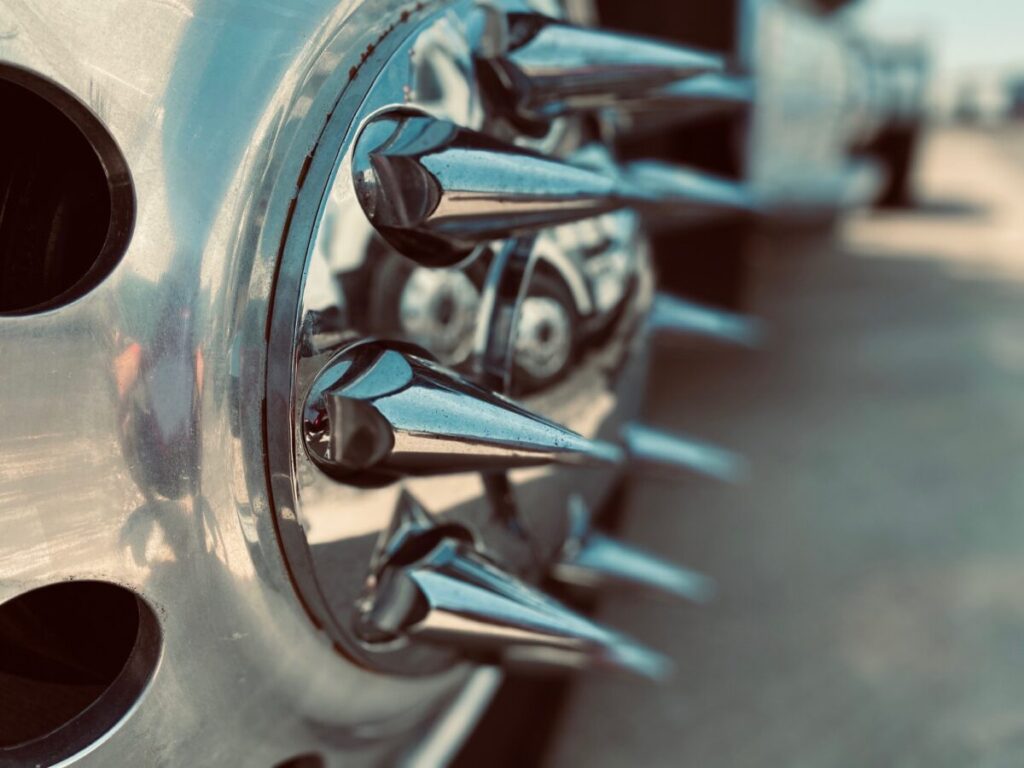
Commercial Truck Flat Tire Safety and Roadside Response
A commercial truck tire failure requires a different response than a typical passenger vehicle flat. The size and weight of the vehicle, surrounding traffic, cargo, and roadside conditions all need to be considered before a driver takes action.
What Should You Do Immediately When a Truck Tire Blows Out?
Maintain control of the truck first, then move toward a safe stopping location without making sudden steering or braking inputs. A tire failure can change the way the truck handles, particularly when it affects a steer tire.
If you suspect a tire has failed:
- Keep a firm grip on the steering wheel.
- Stay focused on maintaining your lane and controlling the vehicle.
- Avoid abrupt steering movements.
- Reduce speed in a controlled manner.
- Signal and move as far away from moving traffic as safely possible.
- Activate your hazard warning flashers.
- Set the parking brake once safely stopped.
After stopping, consider your surroundings before getting out of the cab. Heavy traffic, poor visibility, narrow shoulders, construction zones, and other roadside hazards can make exiting the vehicle dangerous.
How Should Commercial Drivers Warn Other Motorists?
A stopped commercial vehicle may require specific warning devices in addition to its hazard flashers. Drivers should follow applicable Federal Motor Carrier Safety Regulations and their company’s safety procedures.
According to the Federal Motor Carrier Safety Administration (FMCSA), when a commercial vehicle is stopped on a highway or shoulder for a reason other than a necessary traffic stop, the vehicle’s hazard warning system must be activated. FMCSA regulations generally require warning devices to be placed within 10 minutes in specified locations around the stopped vehicle.
FMCSA regulations specify approved warning equipment such as emergency reflective triangles, fusees, or liquid-burning flares, subject to applicable rules and exceptions.
Drivers should know their vehicle’s required emergency equipment before beginning a trip. When a tire failure occurs, the side of a busy highway is not the time to discover that warning equipment is missing or inaccessible.
Can You Keep Driving a Commercial Truck With a Flat Tire?
A commercial truck should not continue normal operation on a flat or severely damaged tire. Continuing to drive can damage the wheel and surrounding components while increasing the risk of losing vehicle control.
A flat tire is also a significant commercial vehicle compliance issue. FMCSA’s 2024 roadside inspection data recorded 59,596 violations for flat tires or audible tire air leaks, with 57,057 listed as out-of-service violations.
If a tire fails, drivers should avoid assuming they can simply “limp” the truck to the next exit. The safest response depends on the truck, the tire’s position, traffic conditions, and where the vehicle can safely stop. Once the vehicle is secure, professional service can determine the appropriate repair or replacement.
What Causes Flat Tires on Commercial Trucks?
Commercial truck tire failures can result from improper inflation, tread or casing damage, road hazards, excessive wear, and other mechanical or operating conditions. Many tire problems develop gradually, which makes regular inspection important.
Common issues to watch for include:
- Cuts, punctures, or embedded objects
- Low or rapidly changing tire pressure
- Cracks, bulges, or visible casing damage
- Uneven tread wear
- Insufficient tread depth
- Recurring air loss
- Damage from curbs, potholes, or roadway debris
- Abnormal wear associated with alignment or suspension problems
FMCSA requires motor carriers to systematically inspect, repair, and maintain vehicles under their control, with parts and accessories kept in safe and proper operating condition.
Tire inspection should therefore be part of regular preventive maintenance, not something that only happens after a failure.
How Can Drivers Help Prevent Commercial Truck Tire Problems?
Consistent tire inspections and preventive maintenance are among the best ways to reduce the likelihood of an unexpected tire failure.
Before driving, look for visible tire damage and check for signs of abnormal wear or air loss. Tire pressure should be checked according to the tire and vehicle manufacturer’s recommendations, especially before long trips or heavy-duty operation.
Fleet operators should also investigate recurring tire problems rather than repeatedly replacing tires without addressing the underlying cause. Alignment, suspension components, loading practices, and other mechanical issues can contribute to abnormal tire wear.
A good preventive approach includes:
- Checking tire pressure regularly
- Inspecting tread and sidewalls
- Addressing uneven wear early
- Monitoring recurring pressure loss
- Maintaining steering and suspension components
- Replacing damaged or excessively worn tires before failure
- Including tires in scheduled commercial truck inspections
Preventive maintenance cannot eliminate every road hazard, but it can help drivers identify many developing problems before they result in roadside downtime.
Frequently Asked Questions About Commercial Truck Flat Tires
Can a commercial truck drive on a flat tire?
A commercial truck should not continue normal operation on a flat tire. A flat or severely damaged tire can affect vehicle control, damage additional components, and may result in the vehicle being placed out of service.
Are commercial trucks required to carry warning triangles?
Federal regulations generally require commercial motor vehicles subject to the applicable rules to carry approved emergency warning equipment. FMCSA identifies three bidirectional emergency reflective triangles as one approved option, along with certain flares or fusees.
How quickly must a commercial driver put out warning devices?
Under FMCSA rules, warning devices generally must be placed within 10 minutes when a commercial vehicle is stopped on the traveled portion or shoulder of a highway for reasons other than a necessary traffic stop.
How can you tell if a commercial truck tire needs attention?
Visible damage, low pressure, uneven tread wear, cracks, bulges, recurring air loss, or insufficient tread depth are signs a tire needs further inspection. Addressing these warning signs early may help prevent a roadside failure.
Get Back on the Road With Confidence
A flat tire can quickly turn a normal workday into unexpected downtime. Knowing how to control the truck, get safely out of traffic, warn other motorists, and avoid driving on a damaged tire can help protect both the driver and the equipment.
Regular tire inspections can also catch wear and damage before they leave your truck stranded.
Concerned about your truck’s tires or overall condition? Let Roy’s Trucks & Equipment help keep your commercial vehicle road-ready. Contact us to schedule truck service or an inspection.