
How Should You Prepare Your Truck for a Long Haul Across Texas?
Before a long haul across Texas, your truck should receive a thorough pre-trip check focused on tires, brakes, fluids, cooling systems, batteries, lights, and other safety-critical components. Texas heat, long highway distances, heavy loads, and extended engine operation can put additional stress on commercial trucks, so identifying worn or failing components before departure can help prevent breakdowns, delays, and costly roadside repairs.
At Roy’s Trucks & Equipment, we understand that a dependable truck is essential when your business depends on keeping freight, equipment, and crews moving. Long-distance routes can expose small maintenance issues that may not be obvious during shorter daily trips. Our experienced team helps commercial truck owners and fleet operators identify potential problems before they become roadside emergencies. Whether you’re preparing for a demanding Texas route or simply want greater confidence before putting more miles on your truck, proactive maintenance can protect your equipment, your schedule, and your bottom line.
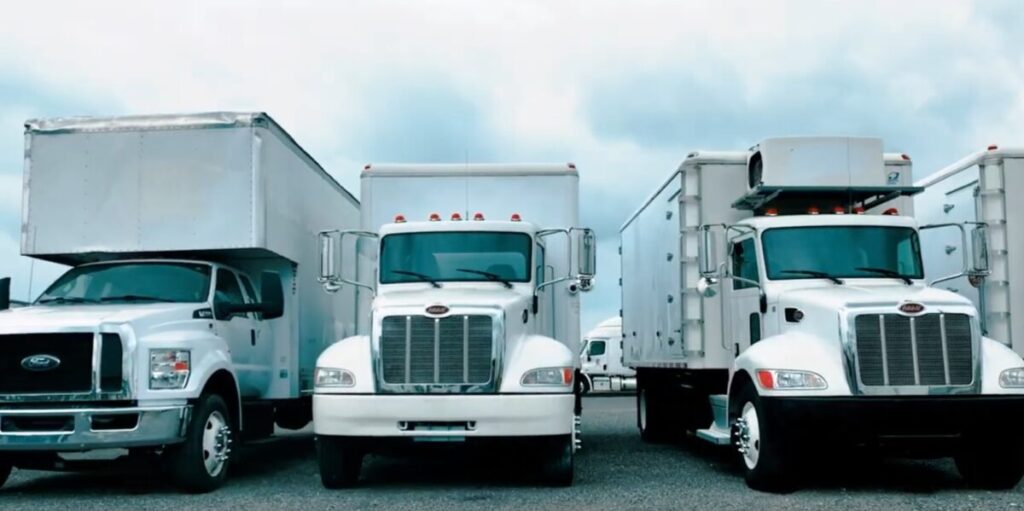
Long-Haul Truck Maintenance Tips for Texas Drivers
Preparing a commercial truck for a long trip is about more than checking the fuel gauge. A complete inspection should focus on the systems most likely to be affected by extended mileage, heavy loads, and changing road and weather conditions.
What Should You Inspect Before a Long Trucking Trip?
Before a long haul, inspect the truck’s tires, brakes, steering, lights, fluids, cooling system, battery, belts, hoses, and safety equipment. Any problem that could affect safe operation or lead to a mechanical failure should be addressed before departure.
The Federal Motor Carrier Safety Administration (FMCSA) requires commercial motor carriers to systematically inspect, repair, and maintain vehicles under their control. FMCSA guidance also states that drivers must be satisfied that both the power unit and trailer are in safe operating condition before operating the combination.
A practical pre-trip maintenance checklist should include:
- Tires: Check inflation, tread condition, sidewalls, and signs of uneven wear.
- Brakes: Look for signs of excessive wear, air leaks, or changes in braking performance.
- Engine oil: Confirm the proper level and check for signs that service is due.
- Coolant: Make sure coolant levels are correct and inspect the cooling system for leaks.
- Transmission and other fluids: Check applicable fluid levels and look underneath the truck for leaks.
- Belts and hoses: Look for cracks, fraying, soft spots, bulges, or other deterioration.
- Battery: Inspect terminals, connections, and overall battery condition.
- Lights and electrical equipment: Test headlights, brake lights, turn signals, marker lights, and other required lighting.
- Steering and suspension: Watch for looseness, unusual wear, leaks, or handling problems.
- Trailer and coupling equipment: Inspect connections and confirm the trailer is safe for the trip.
If something looks questionable before departure, having it inspected is usually preferable to discovering the problem hundreds of miles from your normal repair shop.
Why Is Texas Heat Hard on Commercial Trucks?
Extreme Texas heat can increase stress on tires, cooling systems, batteries, and other vehicle components, making preventive maintenance especially important before long summer trips.
TxDOT materials note that asphalt temperatures on a hot July day in Texas can exceed 150 degrees Fahrenheit. TxDOT also warns that underinflated tires generate additional heat, which can contribute to tire damage, sidewall degradation, and blowouts. The agency recommends checking tire pressure before extended trips with a tire pressure gauge rather than relying on appearance alone.
For drivers covering long distances on routes such as I-20, I-30, I-35, I-45, or I-10, the combination of high temperatures and hours of highway driving can expose weaknesses quickly.
Pay particular attention to:
- Tire inflation and overall tire condition
- Radiator and coolant condition
- Cooling fans and related components
- Belts and hoses
- Battery condition and electrical connections
- Engine temperature during operation
A cooling system problem that seems minor during a short local drive can become much more serious during hours of highway operation in high temperatures.
How Can You Reduce the Risk of a Breakdown During a Long Haul?
The best way to reduce breakdown risk is to address maintenance concerns before the trip instead of waiting for warning signs on the highway.
Start by reviewing the truck’s maintenance history. If an oil change, filter replacement, brake service, tire replacement, or other scheduled maintenance is approaching, consider completing it before adding significant mileage.
Drivers should also pay attention to changes in how the truck operates. Warning signs worth investigating include:
- New vibrations at highway speeds
- Unusual engine or drivetrain noises
- Changes in braking performance
- Rising engine temperatures
- Fluid leaks
- Slow engine starts
- Warning lights
- Steering or handling changes
- Uneven or accelerated tire wear
FMCSA regulations state that commercial motor vehicles should not be operated in a condition likely to cause an accident or breakdown. Systematic inspection and maintenance are therefore important for both reliability and safety.
What Should You Carry in Your Truck for a Long Texas Trip?
Drivers should carry basic emergency supplies and the equipment needed to respond safely to unexpected delays or minor problems.
Your exact supplies will depend on the truck, route, cargo, and operating requirements, but useful items can include drinking water, a tire pressure gauge, flashlight, basic tools, spare fluids appropriate for the vehicle, reflective safety equipment, chargers, and weather-appropriate supplies.
Drivers should also plan the route before leaving. Texas routes can cover significant distances, and fuel, repair facilities, and safe stopping locations may be farther apart in less populated areas. Knowing where you can safely stop can make an unexpected issue easier to manage.
Frequently Asked Questions About Preparing a Truck for a Long Haul
Should I have my truck serviced before a long road trip?
If routine maintenance is due soon or the truck has shown signs of a mechanical problem, scheduling service before a long haul is a smart precaution. Preventive maintenance can identify problems before extended highway mileage makes them worse.
How often should I check my tires on a long haul?
Check tire condition and pressure before departure and continue monitoring them during the trip, particularly when traveling in extreme heat. TxDOT recommends checking tire pressure before extended trips using an accurate tire pressure gauge.
What truck problems are more common in extreme heat?
High temperatures can place additional strain on tires, batteries, engines, and cooling systems. TxDOT has specifically identified extreme heat as a factor that can affect vehicle durability and increase the risk of breakdowns.
What is the most important pre-trip inspection item?
There is no single component that replaces a complete inspection. Tires, brakes, steering, lighting, coupling equipment, and other safety-critical systems should all be checked, and FMCSA guidance requires drivers to be satisfied that the vehicle is in safe operating condition before driving.
Get Your Truck Ready for the Miles Ahead
A successful long haul starts before you ever pull onto the highway. Checking your truck’s tires, brakes, fluids, cooling system, electrical components, and other critical systems can reduce the risk of unexpected downtime and help keep your trip on schedule.
Planning a long haul? Let Roy’s Trucks & Equipment help make sure your truck is ready for the road. Contact us to schedule commercial truck service before your next trip across Texas.