
What Should You Look for When Buying a Used Sleeper Truck for Long-Haul Driving?
Before buying a used sleeper truck for long-haul driving, inspect its engine, transmission, maintenance history, mileage, sleeper compartment, and overall mechanical condition. Buyers should also verify the truck’s specifications, review diagnostic information, and calculate potential ownership costs. A professional inspection can help identify hidden problems before making a significant investment.
Buying a used sleeper truck is a major decision for owner-operators and trucking businesses. The right truck can support dependable long-distance transportation, provide a comfortable place to rest, and help manage operating expenses. However, choosing a truck based on appearance, mileage, or purchase price alone can lead to unexpected maintenance costs.
At Roy’s Trucks & Equipment, we’ve helped commercial truck buyers throughout North Texas find pre-owned trucks and equipment since 1997. As a family-owned dealership in Caddo Mills, we understand that purchasing a commercial truck is about more than finding something that fits your budget. It’s about choosing equipment that meets your business needs.
Whether you’re purchasing your first sleeper truck or expanding your fleet, understanding what to inspect can help you make a more informed investment.
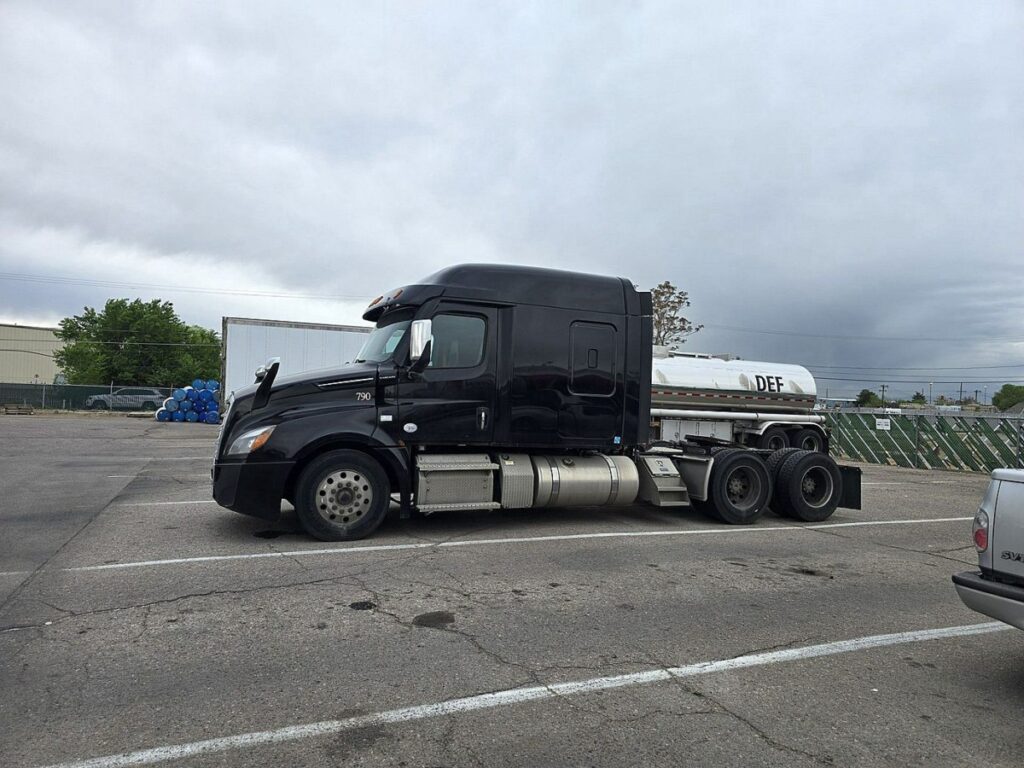
Used Sleeper Truck Buying Guide: Key Features and Inspections
A reliable used sleeper truck should offer the right combination of mechanical condition, operating capability, driver comfort, and long-term value.
Before purchasing, focus on these five important areas.
1. How Important Are Mileage and Engine Condition When Buying a Used Sleeper Truck?
Engine condition and maintenance history are often more important than mileage alone when evaluating a used sleeper truck.
Commercial diesel engines are designed for demanding workloads, but their longevity depends on factors such as maintenance, operating conditions, engine hours, and previous repairs.
A truck with higher mileage and consistent maintenance records may be a better investment than a lower-mileage truck with an unclear service history.
When evaluating a used sleeper truck, check:
- Engine performance: Listen for unusual noises, rough idling, or inconsistent operation.
- Exhaust smoke: Excessive or unusual smoke may indicate mechanical concerns.
- Fluid leaks: Inspect the engine and surrounding components for signs of oil, coolant, or fuel leaks.
- Engine hours: Compare engine hours with mileage to better understand previous operating patterns.
- Maintenance records: Look for documented oil changes, filter replacements, and major repairs.
- Diagnostic information: Review available fault codes and investigate unresolved issues.
Ask whether major components, such as the turbocharger, fuel injectors, or engine aftertreatment system, have required previous repairs.
A qualified diesel technician can provide additional insight into the engine’s condition through appropriate testing and diagnostics.
2. What Maintenance Records Should You Request Before Purchasing?
A used sleeper truck’s maintenance history can reveal how consistently the previous owner cared for the vehicle.
Service records help buyers identify recurring mechanical problems, understand which components have been replaced, and anticipate upcoming maintenance expenses.
Important documents to request include:
- Engine oil and filter service records.
- Transmission and differential maintenance history.
- Brake system repairs and inspections.
- Cooling system maintenance.
- Diesel particulate filter (DPF) and emissions system service.
- Major engine or transmission repair documentation.
- Available inspection reports.
Reviewing these records can also help determine whether the truck received maintenance at appropriate intervals.
According to the Federal Motor Carrier Safety Administration (FMCSA), motor carriers are required to systematically inspect, repair, and maintain vehicles under their control. Maintenance records are an important part of demonstrating that responsibility.
However, documentation requirements and record availability can vary depending on the vehicle’s ownership and operating history.
If records are incomplete, consider having the truck independently inspected before finalizing the purchase.
3. What Sleeper Cab Features Matter Most for Long-Haul Drivers?
Sleeper cab comfort is an important consideration because long-haul drivers may spend extended periods away from home.
A sleeper compartment should provide enough space and practical amenities to support rest and everyday needs while traveling.
Before purchasing, inspect the sleeper area for:
- Sleeping space: Make sure the mattress and bunk dimensions meet the driver’s needs.
- Climate control: Test available heating, air conditioning, and auxiliary climate systems.
- Storage: Evaluate cabinets, compartments, and space for personal belongings.
- Electrical features: Check interior lighting, power outlets, and installed accessories.
- Interior condition: Look for water damage, excessive wear, odors, or evidence of previous leaks.
- Insulation and seals: Inspect windows, doors, and sleeper connections for visible damage.
Some used sleeper trucks include additional amenities, such as refrigerators, inverters, or auxiliary power units.
These features can improve convenience, but buyers should verify that installed equipment operates properly.
For drivers traveling across Texas and neighboring states, reliable climate control is especially valuable during hot summers and colder winter nights.
Remember that sleeper comfort should complement mechanical reliability, not replace it as a purchasing priority.
4. How Can You Tell Whether a Used Sleeper Truck Is Mechanically Sound?
A professional pre-purchase inspection is one of the most effective ways to evaluate a used sleeper truck’s condition.
Even trucks that look clean and well-maintained can have underlying mechanical problems that are difficult to identify during a visual inspection.
A comprehensive evaluation should include:
- Engine and transmission operation.
- Steering and suspension components.
- Brake system condition.
- Tire wear and wheel assemblies.
- Cooling system performance.
- Electrical systems and dashboard warnings.
- Frame condition and signs of previous damage.
- Exhaust aftertreatment system condition.
A road test, when permitted and safely conducted, can provide additional information about shifting performance, steering response, vibration, and overall drivability.
Buyers should also verify the vehicle identification number (VIN) and review available title and vehicle history information.
For interstate commercial operations, the truck must meet applicable federal safety requirements.
The FMCSA’s commercial vehicle regulations establish minimum safety standards for equipment, inspections, and maintenance.
A pre-purchase inspection cannot guarantee that a truck will never need repairs, but it can help buyers recognize potential problems before committing to a purchase.
5. Should You Consider Financing and Long-Term Ownership Costs?
The purchase price is only one part of the total cost of owning a used sleeper truck.
Owner-operators and fleet managers should evaluate both immediate expenses and expected operating costs before selecting a vehicle.
Consider the following:
- Fuel efficiency: Engine configuration, gearing, load weight, and driving conditions can influence fuel consumption.
- Maintenance expenses: Older trucks may require more frequent repairs or component replacements.
- Insurance: Commercial truck insurance costs depend on several factors, including operations and coverage requirements.
- Financing terms: Interest rates, down payments, and repayment periods affect overall ownership costs.
- Tire replacement: Commercial truck tires represent an ongoing operating expense.
- Downtime: Unexpected repairs can interrupt deliveries and reduce revenue.
Choosing the lowest-priced truck does not necessarily result in the lowest total ownership cost.
A better approach is to compare vehicles based on condition, specifications, maintenance history, and suitability for your intended routes.
At Roy’s Trucks & Equipment, we offer a selection of pre-owned commercial trucks, including sleeper trucks, along with financing options through lending partners.
Our goal is to help buyers understand their options and find equipment that fits their transportation needs and business plans.
Frequently Asked Questions About Buying Used Sleeper Trucks
How many miles are too many for a used sleeper truck?
There is no universal mileage limit that makes a used sleeper truck a poor purchase. Engine condition, maintenance history, operating hours, and previous repairs are more useful indicators of potential reliability than mileage alone.
Is buying a used sleeper truck better than buying a new one?
A used sleeper truck generally has a lower initial purchase price than a comparable new truck. However, buyers should compare financing, maintenance expectations, equipment condition, and anticipated operating costs before deciding.
Should you get a mechanic to inspect a used semi-truck before buying it?
Yes. An independent inspection by a qualified heavy-duty diesel technician can help identify mechanical concerns, estimate potential repair needs, and provide valuable information before purchasing.
Can you finance a used sleeper truck?
Yes. Financing is available for many used commercial trucks, although approval and terms depend on factors such as credit history, business finances, vehicle age, and lender requirements. Roy’s Trucks & Equipment offers commercial truck financing options through lending partners.
Find Your Next Used Sleeper Truck at Roy’s Trucks & Equipment
Purchasing a used sleeper truck should be a confident, informed decision.
By reviewing maintenance records, inspecting mechanical components, evaluating sleeper comfort, and considering long-term ownership expenses, you can narrow your options and choose a truck that supports your business.
At Roy’s Trucks & Equipment, we’re proud to help owner-operators and fleet managers find quality pre-owned commercial trucks backed by straightforward information and attentive customer service.
From our dealership in Caddo Mills, Texas, we serve commercial truck buyers throughout North Texas and beyond.
Ready to find a used sleeper truck for your business? Contact Roy’s Trucks & Equipment today to explore available inventory, discuss financing options, and take the next step toward your purchase.